
Research
Explore independent, experimental research revolved around heart health
Subpopulation-Resolved Prediction of Therapeutic Efficacy in Endothelial Dysfunction via Single-Cell eNOS Coupling Dynamics
-07/22/2026
This research creates a framework based on a Michaelis-Menten inspired coupling index. This novel coupling index allowed the creation of a computational algorithm by a Random-Forest model to assign the best drug (Statins, ACEis, or CCBs) to endothelial cell subpopulations, creating a new framework for clinicians to assign drugs based on a CI and ΔCI score for patients with endothelial dysfunction
Link to poster: https://drive.google.com/file/d/1uqs5D8pDfAM1hU3-RqeeY91XIYiWilJT/preview
Research Posters
A single-cell computational analysis of nitric oxide–related gene programs in endothelial cells to investigate drug-specific mechanisms of endothelial dysfunction in human atherosclerosis.
A computational biology research project focused on endothelial dysfunction
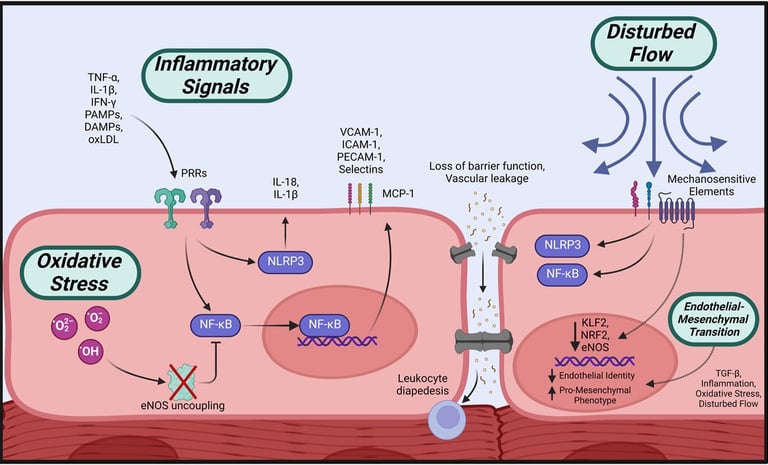
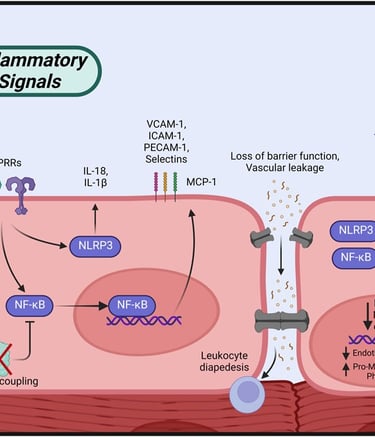
Phase 1: Computational Analysis of Nitric Oxide–Associated Gene Signatures Reveals Differential Associations of Statins, ACEIs, and CCBs with Endothelial Dysfunction in Human Atherosclerotic Cells
Phase 1 establishes a novel nitric oxide Coupling Index and demonstrates its biological relevance by associating drug-responsive gene programs (statins, ACEIs, CCBs) with endothelial dysfunction at single-cell resolution.
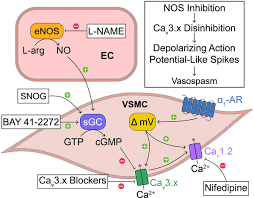
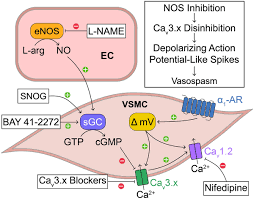
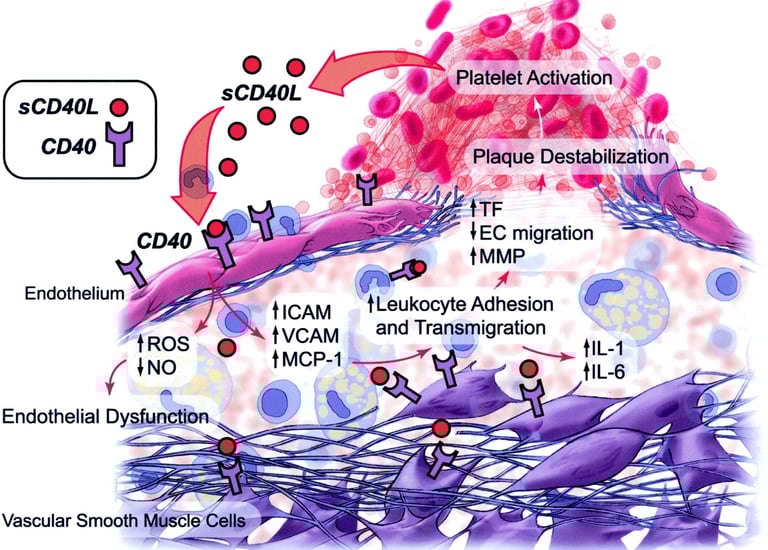
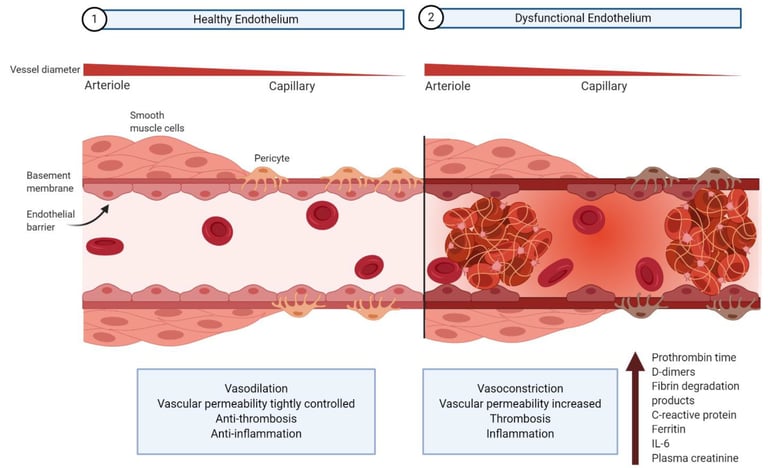
Phase 1 and 2 Mechanistic Refinement and Project Extension: A single-cell computational analysis of nitric oxide–related gene programs in endothelial cells to investigate drug-specific mechanisms of endothelial dysfunction in human atherosclerosis
Phase 2 refines drug-responsive gene programs, incorporates endothelial subpopulation–specific analyses, and quantitatively tests the robustness and mechanistic specificity of drug–NO coupling relationships.